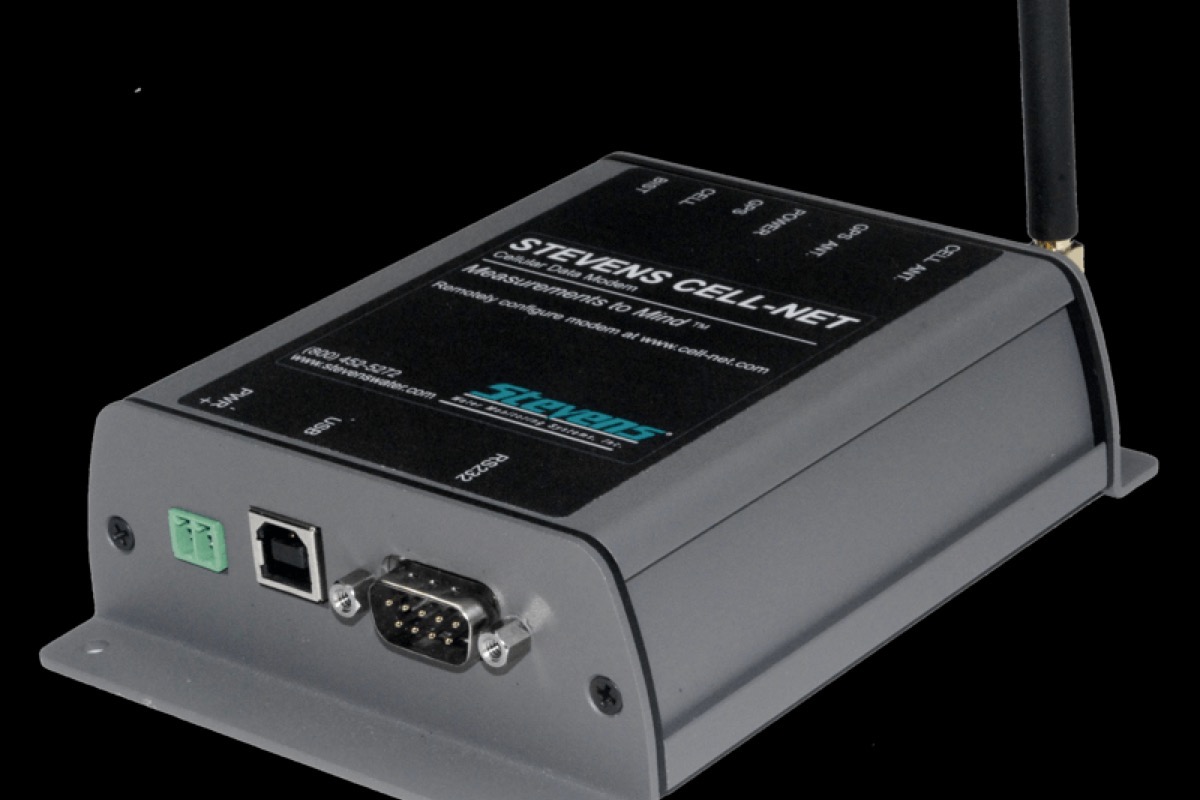
Description: GSM/GPRS telemetry is better known as mobile phone network systems where the monitoring station is equipped with a GSM/GPRS radio and sends text or data message over a mobile providers network (typically in the 900MHz to 1.8GHz range). The radio will need to be equipped with a sim card which has a recurring cost for data usage. The data sent during each transmission is typically small depending on how many sensors are being measured and how many measurements are made before the transmission (typically in the bits). The benefit of GSM/GPRS telemetry is that the network is two-way communication and the maintenance of the network is the responsibility of the mobile network provider. The down side of a public network is that when severe events occur it is common for the network to be overwhelmed by the public. This can result in the loss of data transmission in crucial times. GSM/GPRS can be a low-cost solution in countries where mobile phone rates are inexpensive, but the recurring expense may not be sustainable for agencies that do not have recurring funding. There are other interrogated radio and satellite options that do not have recurring data usage fees. GSM/GPRS is not recommended for public safety networks such as flood warning and emergency management because it can be unreliable during emergency times. The mobile network is a ""best effort"" technology
Costs USD Lower: $700
Costs USD Upper: $1,200
Accessories:
Advantages: Relatively inexpensive. May be widely available depending on the country.
Disadvantages: Unreliable for public safety requirements such as flood warning or emergency management. The bandwidth could be consumed by the public during public emergency. User does not have control over network repairs. Not typically accessible in remote locations.
Pictures: